Your Reliable General Contractor for Premium House Upgrades
A trusted building expert functions as an essential role in property renovations. Their skill guarantees projects are finished with precision and care. By stressing quality materials and expert workmanship, they improve both appearance and market value. Clear dialogue and thorough preparation are essential for a seamless experience. However, many property owners neglect critical factors when selecting a builder. Understanding what to emphasize can make a significant impact in achieving a completed project. What should homeowners evaluate first?
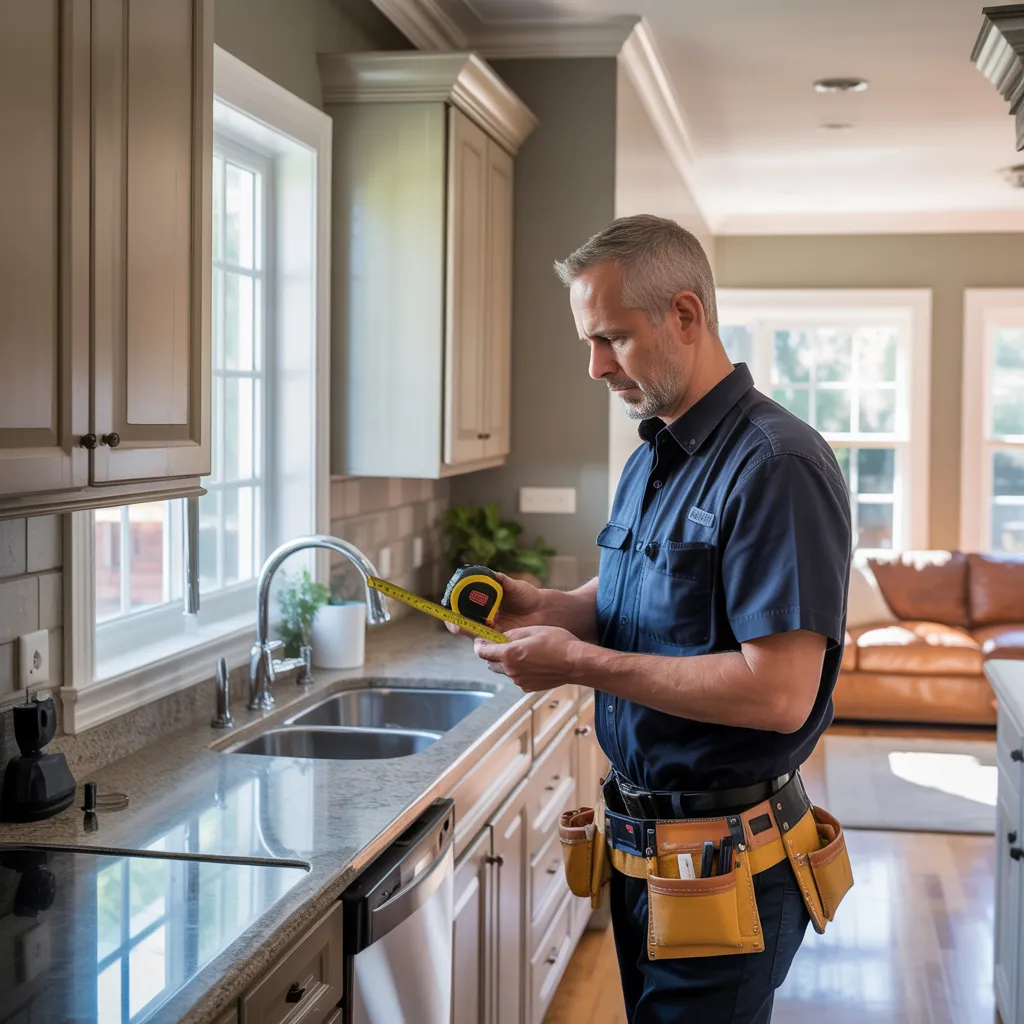
Tips for Recognize a Solid General Contractor
When beginning a home renovation undertaking, how can one guarantee they choose a reliable general contractor? First, people should seek suggestions from friends, family, or online reviews to find potential candidates. It is crucial to verify credentials, including licenses and insurance, making sure the contractor meets local regulations. Next, reviewing past work through portfolios or references offers insights into the contractor's workmanship and dependability.
Additionally, collecting multiple quotations can help you assess appropriate costs and construction schedules. Communication skills are also necessary; a contractor should be approachable and responsive to inquiries. In addition, a thorough agreement laying out project requirements, schedules, and compensation arrangements protects both parties. Ultimately, trust instincts; if a contractor looks unprofessional or imprecise, it might suggest upcoming difficulties. By following these guidelines, homeowners can substantially improve their probability of engaging a trustworthy general contractor, leading to prosperous home improvements.
Why a Local General Contractor Remains Your Top Choice
Selecting a area general contractor can meaningfully strengthen the positive outcome of home improvement projects. Local contractors possess invaluable knowledge of the district, involving building codes, ordinances, and zoning laws, ensuring compliance and optimization. Their developed ties with suppliers and subcontractors can enable competitive rates and timely access to supplies and trained workers.
Moreover, local contractors often maintain a reputation to copyright in the community, driving them to produce high-quality work. This sense of accountability creates trust and confidence among residents.
Furthermore, location permits more rapid interaction and speedier replies, which can be necessary during a project. Homeowners can also get recommendations from neighbors or friends who have prior experience with the contractor, granting peace of mind. Overall, choosing a local general contractor not only helps the community but also boosts the overall quality and experience of home improvement pursuits.
Your Complete Step-by-Step Handbook to Home Improvement
Starting a home improvement project requires careful preparation and implementation. Creating a work schedule is vital to ensure that tasks are completed efficiently, while selecting quality materials can significantly influence the project result. This guide will outline these crucial procedures to assist homeowners navigate their improvement journey successfully.
Mapping Out Your Initiative Roadmap
A well-organized project timeline plays a vital role for successful home improvements, ensuring all phases are completed efficiently. First, homeowners should define the project's scope, including specific goals and desired outcomes. Then, they need to consult with their general contractor to determine a feasible timeline based on the project's complexity and required tasks. Breaking down the project into smaller phases enables better monitoring and adjustments as necessary. It's also necessary to consider potential delays such as weather or supply chain issues, which might affect the schedule. Regular check-ins with the contractor help ensure timely completion. In the end, a clear timeline supports communication and sets expectations, leading to a smoother home improvement process.
Locating Premium Components
Emphasizing on quality materials substantially shapes the end result of home improvement endeavors. Initially, occupants should identify the specific requirements of their endeavor, weighing factors including durability, aesthetics, and budget. Looking into various material possibilities is vital; this includes understanding the advantages and drawbacks of each. Engaging with professionals can furnish valuable guidance on reliable makers and sources.
Next, homeowners should ask for samples to assess the look and feel of materials in person. Contrasting prices across various suppliers can help ensure competitive pricing without sacrificing quality. Finally, verifying that materials comply with local building codes is essential for safety and compliance. By carefully choosing materials, homeowners can improve both the lifespan and aesthetic value of their renovations, ultimately adding value to their property.
Communicate Your Vision Like a Pro
Successful home improvements often copyright on the skill to communicate a precise vision. Homeowners should convey their ideas, inclinations, and expectations, ensuring that they communicate their desires proficiently to their general contractor. A clearly-articulated vision not only helps in aligning the contractor's proposals with the homeowner's aims but also expedites the decision-making process.
Visual tools like drawings and inspiration boards can greatly enhance dialogue. They provide a tangible reference that demonstrates style, color schemes, and layout preferences. Additionally, engaging in open dialogue fosters collaboration, allowing the contractor to request clarification and provide insights.
Establishing realistic timelines and spending limits is equally essential. Property buyers should be ready to address constraints openly to prevent misunderstandings later. In conclusion, conveying a direction with clarity and matching information confidence empowers both parties, forging the way for accomplished project execution and satisfying results in residential improvement efforts.
The Value of Premium Materials and Craftsmanship
For building projects, selecting durable materials plays a major role on a project's longevity and effectiveness. Equally significant is professional skill, which ensures materials are put to use well. Side by side, high-quality materials and expert workmanship create results that withstand time.
Durable Material Picking
A thoughtfully picked assortment of sturdy materials can greatly affect the longevity and beauty of home improvements. Quality materials not only boost the appearance of a space but also confirm that renovations resist the test of time. Homeowners should focus on materials with demonstrated longevity, such as hardwood, stone, and high-grade metals, which defend against wear and tear and environmental damage. Additionally, choosing materials appropriate for the local climate can eliminate issues like rot or corrosion. Spending in sturdy options may require a higher upfront cost, but the long-term benefits—fewer repairs and replacements—make it a wise choice. Ultimately, the right materials enhance a home's value and overall satisfaction for years to come.
Understanding the Necessity of Skilled Craft
Quality workmanship plays an essential role in the achievement of residential upgrades, complementing the selection of durable materials. Skilled artisans guarantee that every element of a project is executed with accuracy, enhancing both functionality and aesthetics. Attention to detail in construction, from framing to finishing touches, significantly adds to the durability and effectiveness of home features. Quality workmanship not only demonstrates a dedication to excellence but also protects from future issues, such as structural problems or aesthetic flaws. Additionally, seasoned professionals understand the nuances of various materials, guaranteeing they are employed effectively. Ultimately, choosing skilled workmanship leads to a more satisfying and lasting result, elevating the overall value of the home and the homeowner's experience.
Common Renovation Errors and How to Avoid Them
A large number of property owners experience challenges in renovations that can lead to pricey interruptions and unhappiness. An ordinary oversight centers on underestimating the financial requirements. Without a detailed budgetary plan, surprising outlays can develop quickly, jeopardizing the undertaking. Additionally, neglecting to acquire necessary licenses could result in fines and project halts, complicating the remodeling process.
Hurrying the decision-making process is another common mistake. Hasty decisions regarding layout and design can result in regrets in the future. Homeowners often fail to recognize the importance of engaging skilled experts, which can undermine the work quality and standards for safety.
In conclusion, communication breakdowns effectively with contractors may produce miscommunications and disappointed outcomes. To circumvent these challenges, homeowners should prioritize thorough preparation, procure the essential licenses, recruit experienced contractors, and foster active dialogue throughout the renovation process. By managing these frequent pitfalls, homeowners can guarantee a smoother and more gratifying renovation process.
Tips for Selecting the Right Products for Your Renovation?
How can homeowners guarantee they choose the right materials for their renovation projects? Initially, they should assess the particular requirements of the space, considering factors such as functionality, aesthetics, and durability. Researching various materials is crucial; homeowners should analyze options based on their appropriateness for the intended use and local climate conditions.
Engaging a dependable construction specialist can supply expert knowledge into product selections, making sure that choices fit both spending limits and visual aspirations. Moreover, homeowners should focus on sustainability by examining eco-friendly materials that lessen environmental impact.
At last, testing samples can support in making informed decisions, permitting property owners to see how products will appear and respond in their space. By completing these steps, homeowners can confidently choose materials that enhance their renovation while maintaining excellence and permanence.
Often Raised Queries
What's the Best Way to Check a Contractor Credentials and Insurance?
To validate a contractor's credentials and coverage, one can check state regulatory agencies and insurance providers. Additionally, asking for documentation of licenses and insurance straight from the contractor guarantees authenticity and adherence to regulatory requirements.
What Represents the Average Duration for House Remodeling Projects?
The common duration for home improvement initiatives varies, often spanning from a few weeks to several months, relying on project complexity, size, and required permits. Collaboration with the contractor can help create a more accurate plan.
Is It Possible to Remain in My Home During Renovations?
Yes, one can reside in a home during remodeling, though it often relies on the project's extent. Partial renovations may permit continued residence, while major work might necessitate temporary relocation for safety and well-being.
What Payment Options Are Usually Accepted by Contractors?
Contractors regularly accept a selection of payment types, like cash, checks, credit cards, and digital payment platforms. Some may also provide financing options, affording clients leeway in managing renovation costs and payment schedules.
What's the Best Way to Address Disagreements With My Contractor?
To manage conflicts with a contractor, one should express yourself distinctly, record every exchange, and seek a resolution through negotiation. If unresolved, mediation or court proceedings may be required to safeguard one's rights effectively.